US corporates tap euros for cheap debt and FX hedging
Interest rate differentials and cross-currency basis drive highest reverse Yankee issuance since Covid
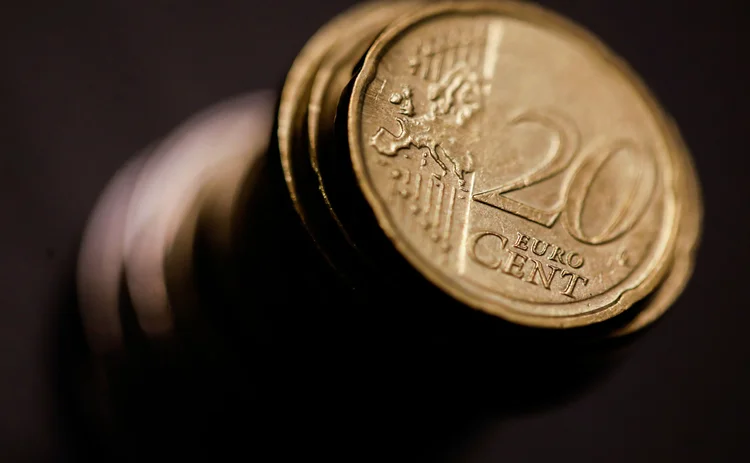

US corporates have flocked to the euro debt market, reversing a three-year decline in reverse Yankee issuance, as blue-chip firms take advantage of favourable funding costs and lock in cheap foreign exchange hedges on their overseas assets.
More than €52 billion-equivalent ($58 billion) of euro-denominated ‘reverse Yankee’ bonds have been issued by US corporates this year, according to data provided by Deutsche Bank. Supply is already more than 20% up on full-year 2023 and is on track to be the
Only users who have a paid subscription or are part of a corporate subscription are able to print or copy content.
To access these options, along with all other subscription benefits, please contact info@fx-markets.com or view our subscription options here: https://subscriptions.fx-markets.com
You are currently unable to print this content. Please contact info@fx-markets.com to find out more.
You are currently unable to copy this content. Please contact info@fx-markets.com to find out more.
Copyright Infopro Digital Limited. All rights reserved.
As outlined in our terms and conditions, https://www.infopro-digital.com/terms-and-conditions/subscriptions/ (point 2.4), printing is limited to a single copy.
If you would like to purchase additional rights please email info@fx-markets.com
Copyright Infopro Digital Limited. All rights reserved.
You may share this content using our article tools. As outlined in our terms and conditions, https://www.infopro-digital.com/terms-and-conditions/subscriptions/ (clause 2.4), an Authorised User may only make one copy of the materials for their own personal use. You must also comply with the restrictions in clause 2.5.
If you would like to purchase additional rights please email info@fx-markets.com
More on Trading
Ex-Citi banker’s ‘perfect marriage’ with Franklin’s crypto unit
Investment giant throws weight behind Chris Perkins’ plan for investing in digital markets

JP Morgan’s great comeback reshapes FX Markets’ Dealer Rankings
Wall Street giant takes top spot in forwards and rises to second in options as US rivals gain share
Alphabet, Micron ramp up FX hedging
Tech pair leads FX derivatives surge in year to Q2, while notionals at Apple and Johnson & Johnson decline

Traders remain on alert as Kospi-KRW decoupling wanes
Negative equity-FX correlation normalises as vol subsides, but funds poised for future opportunities
Podcast: Alexander Barzykin on modelling FX market-making
HSBC quant discusses adverse selection, price reading and internal liquidity management

Futures venues eye growth in BRL trading with Asian investors
CME and SGX see ramp-up in out-of-hours demand for lucrative carry trade

Wells Fargo’s Apac macro head leaves for Dymon Asia
Asian multi-strat fund has been hiring from rivals as it expands globally

Perps extend the menu to tempt TradFi diners
Expiry-less futures are spreading from bitcoin into gold, equities and FX. Institutions are watching, not buying