CFTC should allow voice trading for Sefs, says Chilton
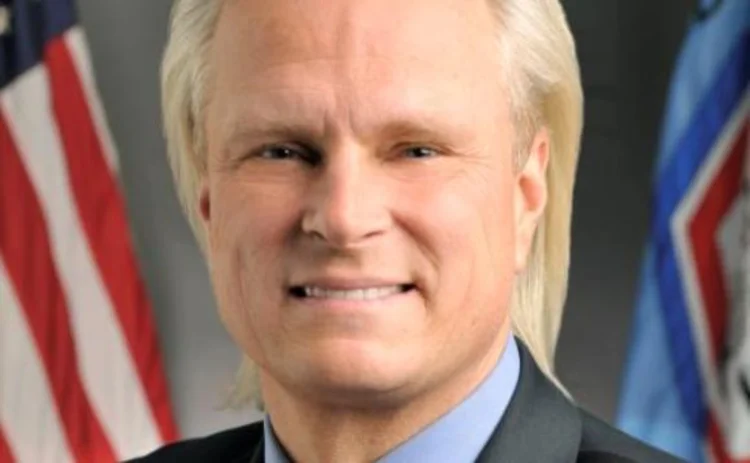

Final rules on swap execution facilities (Sefs) should allow voice-brokered execution, according to Bart Chilton, commissioner at the Commodity Futures Trading Commission (CFTC).
The issue has been hotly debated since the agency's proposals in January 2011 suggested the new over-the-counter derivatives trading platforms should be electronic only. Speaking at the Risk USA conference in New York earlier this week, Chilton said he expects final Sef rules to be voted on in the next four to five
Only users who have a paid subscription or are part of a corporate subscription are able to print or copy content.
To access these options, along with all other subscription benefits, please contact info@fx-markets.com or view our subscription options here: https://subscriptions.fx-markets.com
You are currently unable to print this content. Please contact info@fx-markets.com to find out more.
You are currently unable to copy this content. Please contact info@fx-markets.com to find out more.
Copyright Infopro Digital Limited. All rights reserved.
As outlined in our terms and conditions, https://www.infopro-digital.com/terms-and-conditions/subscriptions/ (point 2.4), printing is limited to a single copy.
If you would like to purchase additional rights please email info@fx-markets.com
Copyright Infopro Digital Limited. All rights reserved.
You may share this content using our article tools. As outlined in our terms and conditions, https://www.infopro-digital.com/terms-and-conditions/subscriptions/ (clause 2.4), an Authorised User may only make one copy of the materials for their own personal use. You must also comply with the restrictions in clause 2.5.
If you would like to purchase additional rights please email info@fx-markets.com
More on Regulation
EU eases non-cleared margin rules for smaller players
New proposals aim to cut compliance and reporting requirements for phase five and six firms

UK’s benchmark rewrite threatens access to Asia NDF fixings
Key offshore rates likely to fall in new regime’s scope, potentially pushing them out of bounds

Banks urge Singapore to relax exposure limit on crypto assets
Lower capital for tokenisation and stablecoins welcomed, but cap will curb bank involvement for now

BoE’s Lintern steps down as head of FX
FX division will now be steered by Ankita Mehta, most recently head of cross-firm analysis and supervision

Why are FX markets settling for less?
Payment-versus-payment settlement has barely risen in the past 20 years. Perhaps it’s time for a new approach

Europe ‘lagging behind’ US in crypto markets
Mica made Europe first mover, but rapid US adoption leaves the region trailing, market participants say

Double, but no trouble? CVA capital hit may lack clout
Industry opinion mixed around Basel III endgame derivatives charge

Doubts swirl over future of FX cartel case
Group of banks accused of manipulation have filed for the class action to be dismissed