Renminbi rhetoric hits new high
The three-month USD/CNY NDF fell to its lowest level since July 2008, when China repegged renminbi to the US dollar. The market priced in more renminbi appreciation risk on Thursday (April 8), after an article in the New York Times claimed a resumption of renminbi appreciation was imminent. That day, renminbi 12-month NDFs were pricing in 3.09% appreciation over the next 12 months, up from around 2.4% the previous week, although pricing slipped back to 2.94% on Friday.
The article cited sources
Only users who have a paid subscription or are part of a corporate subscription are able to print or copy content.
To access these options, along with all other subscription benefits, please contact info@fx-markets.com or view our subscription options here: https://subscriptions.fx-markets.com
You are currently unable to print this content. Please contact info@fx-markets.com to find out more.
You are currently unable to copy this content. Please contact info@fx-markets.com to find out more.
Copyright Infopro Digital Limited. All rights reserved.
As outlined in our terms and conditions, https://www.infopro-digital.com/terms-and-conditions/subscriptions/ (point 2.4), printing is limited to a single copy.
If you would like to purchase additional rights please email info@fx-markets.com
Copyright Infopro Digital Limited. All rights reserved.
You may share this content using our article tools. As outlined in our terms and conditions, https://www.infopro-digital.com/terms-and-conditions/subscriptions/ (clause 2.4), an Authorised User may only make one copy of the materials for their own personal use. You must also comply with the restrictions in clause 2.5.
If you would like to purchase additional rights please email info@fx-markets.com
More on Foreign Exchange

Average reported daily UK FX turnover hits record high
Daily turnover of $2,881bn in October 2019, up 2% from previous high of $2,821bn in April

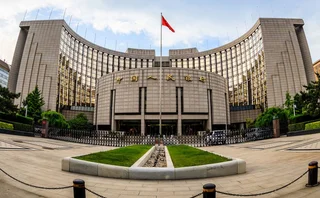
PBoC injects 1.2 trillion yuan as markets plunge
Chinese central bank eases to support economy as coronavirus spreads; Q1 GDP growth could drop to 4%
Spot volumes on platforms resumed downward trend in 2019
But an uptick was seen in FX swaps and forwards submitted for settlement

PBoC extends market closure as coronavirus spreads rapidly
Chinese central bank extends interbank markets closure and vows to maintain ample liquidity